

 Current position > News detail
『Fluid Flow Meter Types Explained: Matching Liquid and Gas Physics to the Perfect Measuring Sensor』Related information(v cone flow meter|rotary gas meter|gallon meter|gear meter|metal tube rotameter|glass tube rotameter|nutating disk meter|transit time ultrasonic flow meter|wedge flow meter|pd meters|hydraulic flow meter|ultrasonic water flow meter|water flow meter|air flow meter|magnetic water flow meter|oxygen flow meter|gas flow meter|argon flow meter|air velocity meter|gasoline flow meter|fuel flow meter|ultrasonic water meter|digital water meter|nitrogen flow meter|solid flow meter|Oxygen tank flow meter|digital water flow meter|diesel fuel flow meter|steam flow meter|02 flow meter|compressed air flow meter|oil flow meter|liquid flow meter)
Fluid Flow Meter Types Explained: Matching Liquid and Gas Physics to the Perfect Measuring Sensor
Quick Answer: Liquid and gas behavior controls meter choice. Silver Automation Instruments recommends Coriolis for mass flow, electromagnetic for conductive water, ultrasonic for large pipes, vortex for steam, oval gear for viscous oil, and thermal mass for air and biogas. Send fluid type, pipe size, pressure, temperature, and flow range for a direct selection.
Silver Automation Instruments is an industrial flow meter manufacturer and supplier. We have supplied flow meters to plants in Jakarta, Lagos, Lima, and Doha. The same question always comes up. Which meter works for my fluid? The answer starts with physics, not brand. A sensor that works on clean water can fail fast on diesel or saturated steam. This flow meter types explained guide focuses on liquid and gas physics. Most engineers skip this part until a meter fails on site.
Start With Fluid Conductivity and Phase
Electromagnetic flow meters need a conductive liquid. The minimum conductivity is about 5 µS/cm. Pure demineralized water and most hydrocarbons fall below that. A refinery in Doha learned this when an electromagnetic meter gave unstable output on ultrapure water. For wastewater, sludge, acids, and seawater, electromagnetic meters are hard to beat. A seawater flow meter for a desalination plant in Perth runs reliably because seawater conductivity is high.
Gas and steam have no meaningful conductivity. So electromagnetic meters are out. That removes one whole category fast. Because flow meter selection is a process of elimination, start with phase and conductivity.
Coriolis Mass Flow Meters for Mass, Density, and Viscosity
Coriolis meters measure mass flow directly. They also capture density and often live viscosity. This is useful when the fluid changes composition or when the process cares about kg/h instead of m3/h. A food grade glucose line in Vietnam uses a Coriolis meter because the sugar concentration changes between batches. The meter sends 4-20 mA HART signals for mass flow and density to a PLC.
Coriolis meters work on liquids and many gases, but they cost more. For a DN15 chemical dosing skid, the price is accepted because accuracy and repeatability matter. For a DN200 cooling water line, the cost rarely makes sense. We tell customers to compare Coriolis against electromagnetic or ultrasonic on large water pipes.
In practice, Coriolis is the best first choice for LPG, palm oil, molasses, and any fluid where temperature and pressure swings change volume. A palm oil exporter in Medan replaced a turbine meter with Coriolis and stopped correcting volume to mass manually.
Electromagnetic Flow Meters for Water and Wastewater
Electromagnetic flow meters have no moving parts. They suit DN25 to DN2000 pipes. A municipal wastewater plant in Manila uses them on raw sewage, return activated sludge, and treated effluent. The liners are selected for the fluid. PTFE liners handle acids. Rubber liners handle abrasive slurry. Electrode materials matter too. For seawater, we specify titanium electrodes because standard stainless steel electrodes can pit.
These meters need a full pipe and a stable grounding system. Partially filled pipes cause reading errors. For open channels, an electromagnetic insert probe is not the same thing. We recommend a proper open channel flow meter or ultrasonic level plus flume for those cases.
Output options include pulse, 4-20 mA, and RS485. Most plants in our markets use 4-20 mA with Modbus or HART. The price of an electromagnetic flow meter is mid range. It gives one of the lowest cost per DN for conductive liquids.
Ultrasonic Flow Meters for Large Pipes and Retrofit Jobs
Ultrasonic flow meters can be clamp-on or inline. They work well for clean liquids with low solids. They do not contact the fluid, which helps in drinking water and in hot water systems. A district cooling plant in Dubai uses clamp-on ultrasonic meters on DN600 pipes because cutting into the line was too expensive.
Ultrasonic signals do not pass well through thick scale, heavy bubbles, or high suspended solids. For dirty water, electromagnetic is often better. For gas, ultrasonic gas flow meters exist but require pressure and flow profiling. We do not push ultrasonic for every application. Here is the thing. The clamp-on type is a quick temporary check or a retrofit solution. It is not always the long term billable meter.
Vortex Flow Meters for Steam and Saturated Gas
Vortex meters read the frequency of vortices shed from a bluff body. They work on steam, compressed air, and some liquids. They need a minimum Reynolds number. They do not work well at very low flow. A textile mill in Ho Chi Minh City uses vortex meters on the boiler steam header. The meter sends compensated mass flow when paired with a pressure transmitter and a PT100 temperature sensor.
Steam measurement is not si
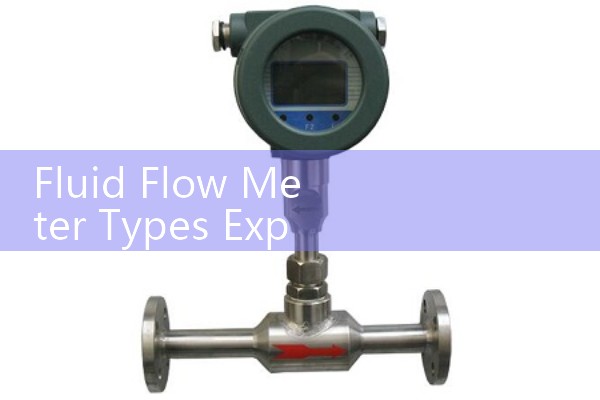
Vortex meters are also used for natural gas and compressed air. The pipe must be full and the upstream straight run must be respected. For small pipes below DN25, vortex is rarely the right fit.
Oval Gear Flow Meters for Diesel and Viscous Oils
Oval gear flow meters are positive displacement. They capture small volumes of fluid between two oval gears. They are common for diesel transfer, fuel oil, lubricants, and heavy oils. A diesel terminal in Lagos uses oval gear meters with mechanical registers and pulse outputs for truck loading. The fluid viscosity was around 50 cP at ambient temperature. Because positive displacement meters do not depend on velocity profile, they handle viscous flow better than turbine or ultrasonic meters.
These meters need clean fluid. Solid particles can jam the gears. We recommend a strainer upstream. For high viscosity fluids, such as heavy fuel oil, install heating and use larger clearances. We have seen a paint manufacturer in Surabaya use an oval gear meter on solvent based coating without a strainer. The gears locked after two weeks. The repair cost was more than the strainer.
Thermal Mass Flow Meters for Air and Biogas
Thermal mass flow meters measure heat transfer from a heated sensor to the gas. They give direct mass flow for air, nitrogen, biogas, and natural gas. They suit pipes where gas composition is stable. A biogas project in Nairobi uses a thermal mass flow meter with a remote transmitter because the digester gas is wet and slightly corrosive. The insertion type keeps maintenance simple.
Thermal meters are not ideal for changing gas mixtures because thermal conductivity and heat capacity shift. For raw biogas with methane content changing from 50 to 65 percent, the reading can drift. For those cases, a Coriolis or a compensated vortex meter may be better. But for compressed air monitoring in a factory, thermal mass is affordable and easy to install.
Key Parameters for Sensor Selection
Flow range, pressure, temperature, pipe size, fluid type, viscosity, conductivity, and required accuracy are the first inputs. Pipe size in DN is not enough. A DN50 pump may run at 0.2 m3/h in one plant and 20 m3/h in another. The turndown ratio matters. For a batch reactor in a chemical plant in Istanbul, we need to know the minimum and maximum flow, not just the line size.
Pressure and temperature drive materials and rating. A thermal mass flow meter for a 10 bar air line may need a stainless steel body. A vortex meter on 16 bar steam needs a pressure sensor with the right range. ATEX Zone 1 areas require certified transmitters. We ask for hazardous area classification early because it changes the model and lead time.
How to Send an Inquiry to Silver Automation Instruments
Send us your fluid type, pressure in bar, temperature in °C, pipe size in DN, flow range, and required output. We will reply with one or two meter types and a price. Our technical team works with end users and distributors in Southeast Asia, Oceania, Latin America, Africa, and the Middle East. Contact Silver Automation Instruments at Tel: +86-25-68650347, WhatsApp: +86-25-52155837, WeChat: +86 15365082610. For more product details, visit flow-meter.com.au.
FAQ: Five Flow Meter Selection Questions
Which flow meter is best for wastewater with sludge? An electromagnetic flow meter is usually the first choice. It handles conductive sludge, has no moving parts, and works from DN25 to DN2000. Choose the liner and electrode material based on solids and chemical content.
Can one meter measure both liquid and gas? Most meter types cannot do both well. Coriolis meters can measure some liquids and gases, but sizing is different for each phase. You need to tell us the phase and density range before we quote.
What is the difference between mass flow and volume flow? Volume flow changes with pressure and temperature. Mass flow does not. For steam, LPG, palm oil, and chemical reactions, mass flow is more useful. For water and simple transfer lines, volume flow is often enough.
Do I need a flow meter for a partially filled pipe? A standard electromagnetic or vortex meter will not read correctly. You may need an open channel flow meter with an ultrasonic level sensor and a flume or weir. This is common in irrigation and wastewater discharge monitoring.
Which meter is best for diesel delivery? An oval gear flow meter is our standard recommendation for diesel and light fuel oil. It handles viscosity well and gives good volume totalization. Use a strainer upstream and confirm the flow range before ordering.